내용 이해가 쉽도록 위 사이트 원 번역문 내용을 단문형태로 끊어 표현을 바꿔 기재한다.
다만, 여건상 일부분만 살피는 경우가 많다.
따라서 작업중 파일을 별도로 만든다.
그리고 클라우드 드라이브 폴더에 보관한다.
그리고 이후 계속 수정보완해가기로 한다.
그리고 완료되면 본 페이지에 직접 붙여나가기로 한다.
작업중인 파일은 다음 폴더 안에서 K1475_T1635_in 파일을 참조하면 된다.
https://drive.google.com
●차후 링크가 변경되어 연결되지 않을 때는 다음 페이지 안내를 참조한다. buddhism0077
wikiart ○ [pt op tr] 예술작품 사진 공양, 나무불, 나무법, 나무승 Peter-Paul-Rubens-the-triumph-of-the-victory
Artist: Peter-Paul-Rubens
Sir Peter Paul Rubens (/ˈruːbənz/;[1] Dutch: [ˈrybə(n)s]; 28 June 1577 – 30 May 1640) 플랑드르 작가. 그는 플랑드르 바로크 전통 의 가장 영향력있는 예술가로 간주됩니다 . 루벤스 (Rubens)의 고전적인 구성은 고전과 기독교 역사의 학문적 측면을 언급한다. 그의 독특하고 대대적으로 인기있는 바로크 양식은 운동, 색채, 관능미를 강조하여 카운터 - 리포메이션 에서 홍보 된 즉각적이고 극적인 예술적 스타일을 따랐습니다 . 루벤스는 altarpieces, 초상화, 풍경 및 신화적 및 우화적 주제의 역사 그림 을 만드는 것을 전문화했다 [...이하 줄임...] from https://en.wikipedia.org/wiki/Peter_Paul_Rubens Title : the-triumph-of-the-victory Info
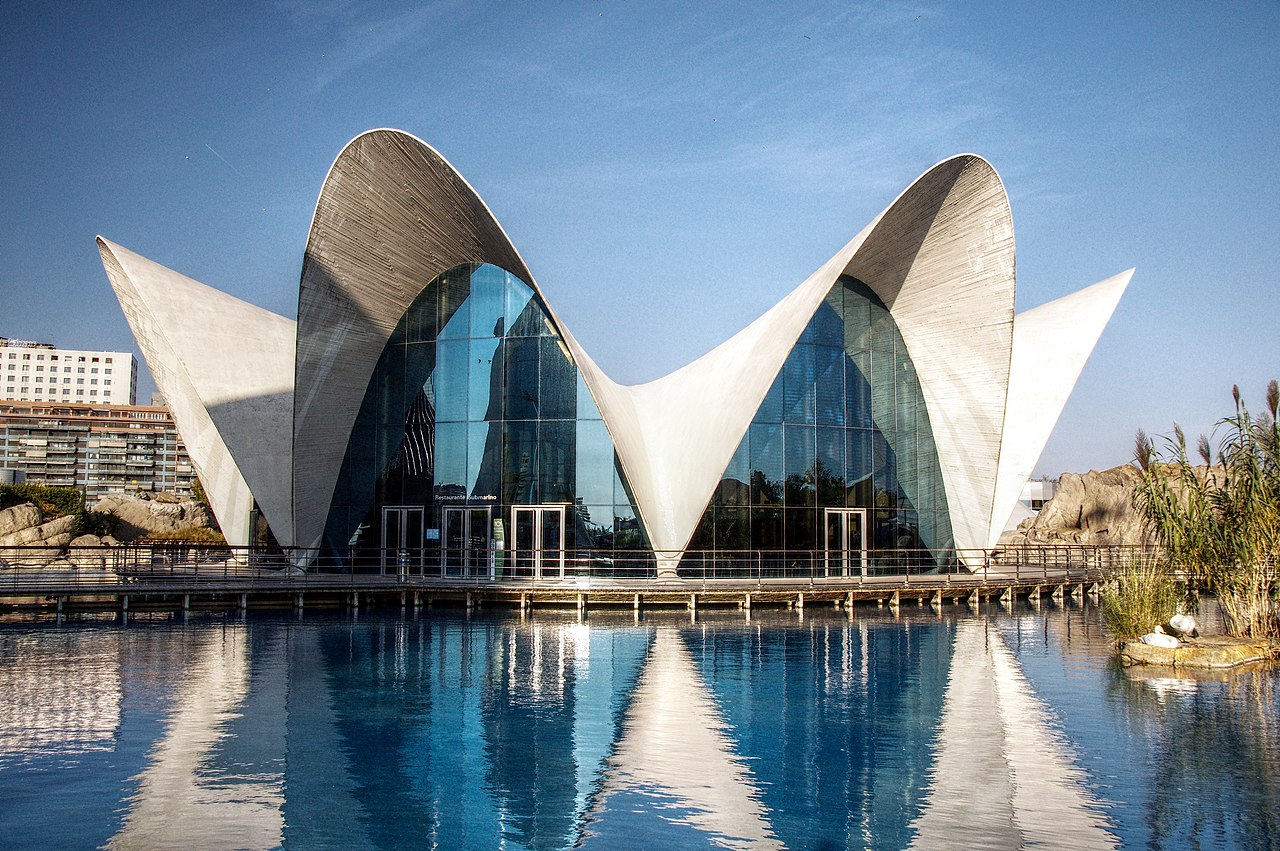
○ [pt op tr] 아름다운 사진 공양, 나무불, 나무법, 나무승 L'Oceanografic_(Valencia,_Spain)_01
L'Oceanografic at the City of Arts and Sciences in Valencia (Valencian Community, Spain).Restaurante submarino Author Felipe Gabaldón from Spain Permission & Licensing : Wikipedia ● [pt op tr] fr
♡Pha That Luang, Vientiane Laos
○ 아름다운 풍경사진 공양, 나무불, 나무법, 나무승 With the image 'Google Earth & Map data: Google, DigitalGlobe'
031▲ 壬爿井弔爪 ■ 임장정조조 31 (북방 임 / 아홉째 천간( 天干) 임 )(나뭇조각 장 / 나뭇조각 상, 양수사 판 )( 우물 정 )( 조상할 조, / 이를 적 )(손톱 조 )
005▲ 匚卜匕冫厶 ■ 방복비빙사 5 ( 상자 방 )( 점 복/ 무 복, 짐바리 짐 )( 비수 비 )( 얼음 빙 )( 사사 사 / 아무 모 )
재춘법한자
■ 영-중-일-범-팔-불어 관련-퀴즈 [wiki-bud]Buddhist art [san-chn]
maṇḍam 遲 [san-eng]
jāgrata $ 범어 (Vr.Imp.IIP.Pl.PP)Wake up; awake [pali-chn]
subha-kiṇha 遍淨天 [pal-eng]
a––atara $ 팔리어 adj.certain; not well-known. [Eng-Ch-Eng]
外道六師 【參照: 六師外道】 [Muller-jpn-Eng]
阿字 アジ letter a [Glossary_of_Buddhism-Eng]
AMBEDKAR, DR. B. R. 18911956☞ See also: Hinduism / Buddhism; India (Buddhism in). “Founder of the Indian movement for converting Harijans (untouchables) from Hinduism to Buddhism. Member of Bombay Legislative Assembly, later Law Minister in the Central Government at Indian independence. 1956: at Nagpur, he and his wife along with 500,000 followers [mostly composed of Harijans (untouchables)] formally renounced the Hindu religion and espoused Buddhism. Work carried on by Indian Buddhist Society, which he founded. Author of book: The Buddha and His Dhamma.”
[fra-eng]
rivière $ 불어 river [chn_eng_soothil]
卑鉢羅 pippala, the bodhidruma, v. 菩. [vajracchedikā prajñāpāramitā sūtraṁ]
▼●[羅什] 佛告須菩提: 「如是如是. 若復有人, 得聞是經, 不驚不怖不畏, 當知是人, 甚爲希有. 부처님께서 수보리에게 말씀하셨다. “그러하니라. 그러하니라. 만일 어떤 사 람이 이 경을 듣고 놀라지 않으며 겁내지 않으며 두려워하지 않으면, 이 사 람은 참으로 희유한 사람인 줄을 알지니라. [玄奘] 如是、如是! 善現, 若諸有情聞說如是甚深經典, 不驚、不懼、無有怖畏, 當知成就最勝希有! [義淨] 妙生, 如是、如是! 若復有人得聞是經, 不驚、不怖、不畏, 當知是人第一希有! 14-08 एवमुक्ते भगवानायुष्मन्तं सुभूतिमेतदवोचत्-एवमेतत् सुभूते, एवमेतत्। परमाश्चर्यसमन्वागतास्ते सत्त्वा भविष्यन्ति, ये इह सुभूते सूत्रे भाष्यमाणे नोत्रसिष्यन्ति न संत्रसिष्यन्ति न संत्रासमापत्स्यन्ते। evamukte bhagavānāyuṣmantaṁ subhūtimetadavocat | evametat subhūte evametat | paramāścaryasamanvāgatāste sattvā bhaviṣyanti | ya iha subhūte sūtre bhāṣyamāne nottrasiṣyanti na samtrasiṣyanti na saṁtrāsamāpatsyante | 그렇게 말해졌을 때 복덕갖춘분께서 장로인 수보리에게 이렇게 말씀하셨다. “그렇구나 그것은, 수보리여! 그렇구나 그것은. 이 세상이 (그러한) 경전이 설해졌을 때 놀라지 않을 수 있고 두려워하지 않을 수 있으며 공포에 빠져들지 않을 수 있는, 수보리여! (그러한) 그 중생들은 최고의 경이로움을 갖춘 자들이 될 것이다. ▼▷[evamukte] ① evam(ƺ.) + ukte(njp.→ƿ.abso.loc.) → [그렇게、 말해졌을 때] ▼[bhagavānāyuṣmantaṁ] ① bhagavān(ƾ.nom.) + āyuṣmantaṁ(nj.→ƾ.acc.) → ▼[복덕갖춘분께서、 장로인] ▼[subhūtimetadavocat] ① subhūtim(ƾ.acc.) + etad(ƺ.) + avocat(aaor.Ⅲ.sg.) → ▼[수보리에게、 이렇게、 말씀하셨다.] ▼▷[evametat] ① evam(ƺ.) + etat(pn.ƿ.nom.) → [그렇구나、 그것은] ▼[subhūte] ① subhūte(ƾ.voc.) → [수보리여!] ▼[evametat] ① evam(ƺ.) + etat(pn.ƿ.nom.) → [그렇구나、 그것은.] ▼▷[paramāścaryasamanvāgatāste] ① parama+āścarya+samanvāgatāḥ([nj.→]ƾ.nom.pl.) + te(pn.ƾ.nom.pl.) → [최고의 경이로움을 갖춘 자들이、 그들] ② parama(nj. most distant, last; highest, best; extreme; worst) ② āścarya(nj. marvellous, wonderful, extraordinary: ƿ. a wonder, miracle, marvel) ② samanvāgata(nj. attended by, furnished or provided with, Buddha) < sam(ƺ. with, together with) + anvāgata(nj. attached) < anvāgam(1.ǁ. to follow, come after) ▼[sattvā] ① sattvāḥ(ƾ.nom.pl.) → [중생들은] ② sattva(ƿƾ. being, existence, entity; nature; nature character) ▼[bhaviṣyanti] ① bhaviṣyanti(fut.Ⅲ.pl.) → [될 것이다.] ② bhū(1.ǁ. to be, become; to be born or produced; to spring or proceed from; to happen) ▼▷[ya] ① ye(pn.ƾ.nom.pl.) → [(어떠한) 그들은] ▼[iha] ① iha(ƺ.) → [이 세상에서] ② iha(ƺ. here, in this place or case; in this world; now, at this time) ▼[subhūte] ① subhūte(ƾ.voc.) → [수보리여!] ▼[sūtre] ① sūtre(ƿ.abso.loc.) → [경전이] ② sūtra(ƿ. a thread, string; a fiber; a wire) ▼[bhāṣyamāne] ① bhāṣyamāne(njp.→ƿ.abso.loc.) → [설해졌을 때] ② bhāṣyamāna(pass.pres.p.) < bhāṣya(pass.) < bhāṣ(1.Ʋ. to say, speak, utter; to speak to, address; to tell, announce) ▼[nottrasiṣyanti] ① na(ƺ.) + uttrasiṣyanti(fut.Ⅲ.pl.) → [(否定)、 놀라지들 않을 것이며] → 놀라지 않을 수 있고… ② uttras(1.4.p to be afraid: [caus.] to frighten, alarm) < ut(ƺ. deliberation, intensity) + tras(1.4.ǁ. to quake, tremble, shake, start with fear; to fear, dread, be afraid of) ▼[na] ① na(ƺ.) → [(否定)] ▼[samtrasiṣyanti] ① samtrasiṣyanti(fut.Ⅲ.pl.) → [두려워하지들 않을 것이며] → 두려워하지 않을 수 있으며… ② samtras(1.4.ǁ. to fear, be afraid or terrified: [caus.] to frighten) < sam(ƺ. with) ▼[na] ① na(ƺ.) → [(否定)] ▼[saṁtrāsamāpatsyante] ① saṁtrāsam(ƾ.acc.) + āpatsyante(fut.Ⅲ.pl.) → ▼[공포로(→공포에)、 빠져들지 않을 것이다.] → 공포에 빠져들지 않을 수 있는… ye~, te~. : ye na saṁtrāsamāpatsyante, te na uttrasiṣyanti | → 어떤 그들은 공포에 빠져들지 않을 것이다. + 그들은 놀라지 않을 것이다. → 어떤 누구든 공포에 빠져들지 않을 수 있는 그들은 놀라지 않을 것이다. ② saṁtrāsa(ƾ. fear, terror, alarm) ② āpat(1.ǁ. to fall upon, attack; to approach, come towards; to happen, take place)